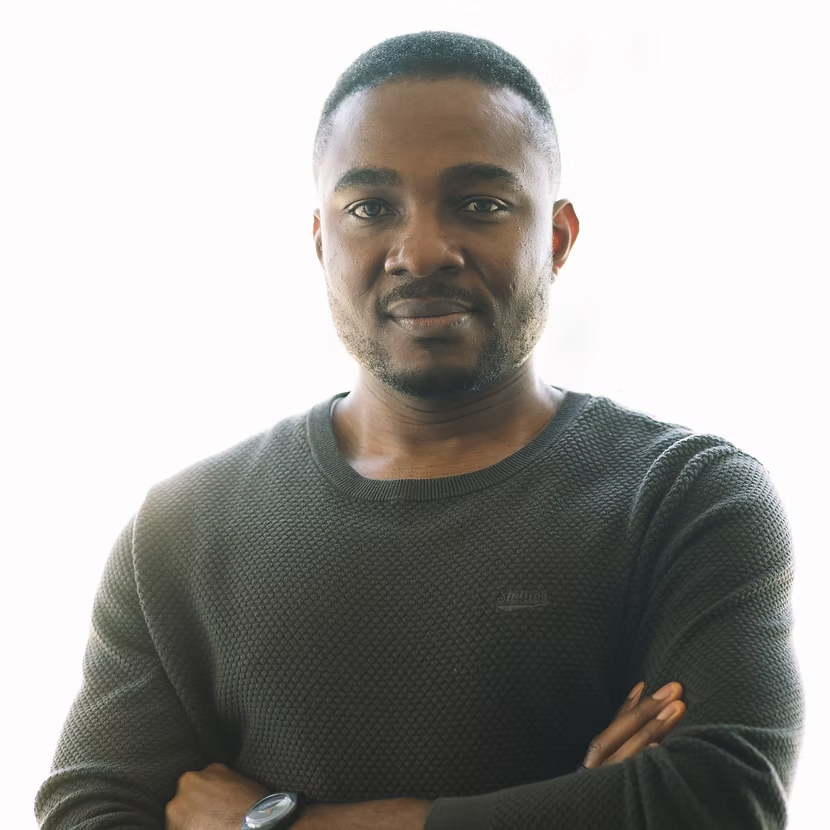
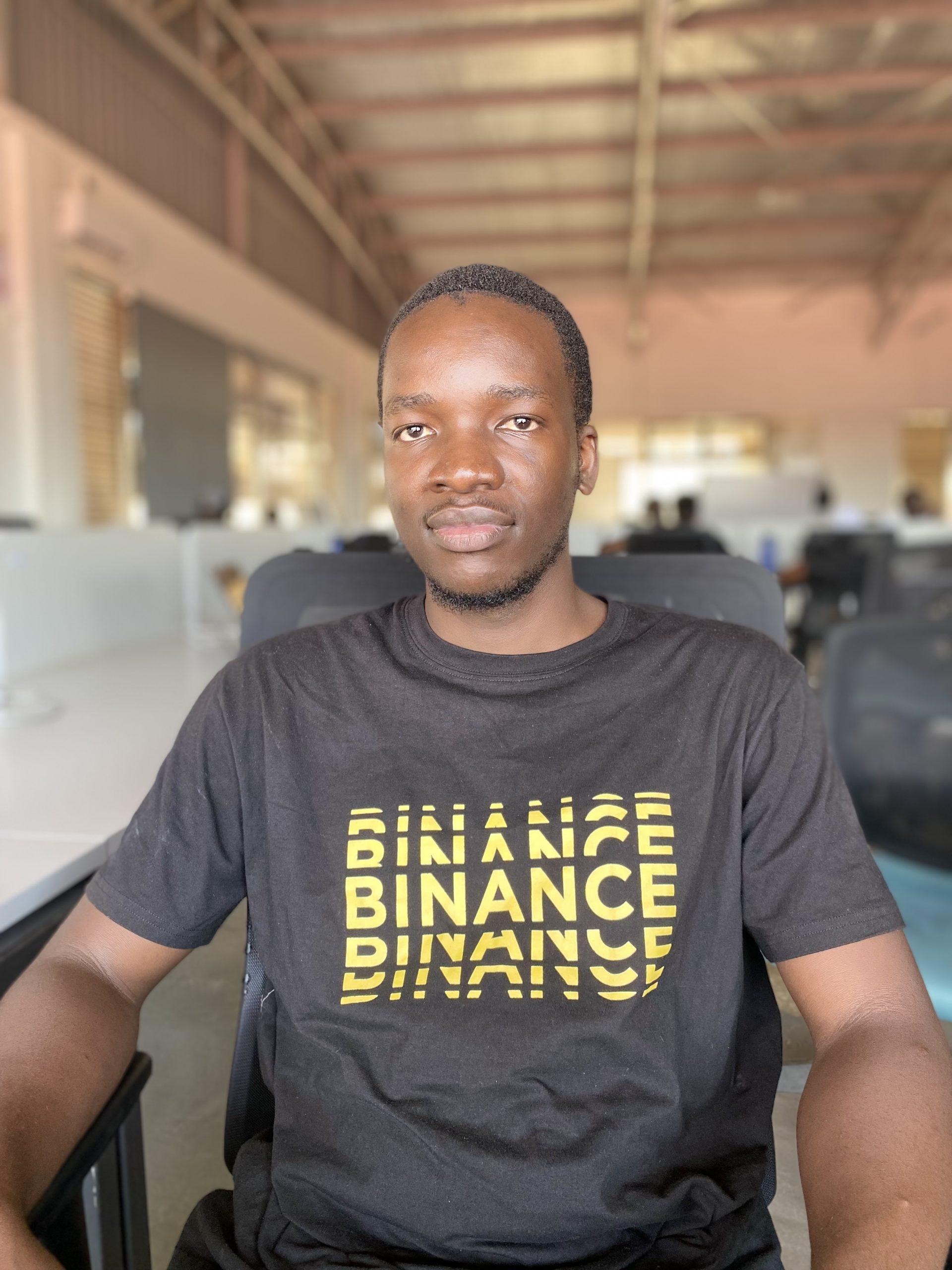
Bravian Nyatoro
Speaker at AMLD Africa 2026
Bravian Nyatoro is an environmental scientist turned software developer specializing in AI-driven systems. Working in Rust, Go, and Python, he creates tools that use machine intelligence to empower communities and solve everyday challenges. He currently works at Zone01 Kisumu, where he continues to build scalable, accessible tech. His upcoming project, FloodWatch Africa, uses AI to offer simple, reliable early-warning alerts in areas often overlooked by traditional systems. Driven by a belief in accessible, low-cost tech, Bravian is committed to making powerful AI tools, like WeatherNext2, available to people and places that need them most.
At AMLD Africa
WITS University, Johannesburg, South Africa
Flood watch Africa
FloodWatch Africa is an AI-powered early warning system designed to protect flood‑prone communities across Africa. While countries like the US, Japan, and Europe benefit from Wireless Emergency Alerts that reach nearly 100% of their populations instantly, Kenya’s reality is very different: warnings arrive late, often as PDF bulletins or unreliable SMS alerts. The human cost is devastating, in 2024 alone, over 300,000 people were affected, 293,000 displaced, and 315 lives lost. FloodWatch Africa bridges this gap by connecting Google’s free Flood Forecasting API, which provides real‑time, 7‑day advance predictions, directly to households via SMS in local languages. The system ingests global AI data, translates it into clear, actionable alerts, and delivers it through Africa’s Talking API, ensuring even basic feature phones receive timely warnings. Our pilot in Nyando and Budalangi, Kenya’s flood epicenters, demonstrates how early alerts can reduce disaster damage by 30%, save lives, and protect livelihoods. With high mobile penetration and scalable SMS infrastructure, this model can be replicated across Africa at minimal cost. This talk will showcase how FloodWatch Africa transforms cutting‑edge AI into community resilience, proving that the intelligence to save lives already exists, we just need to connect it to the people who need it most.