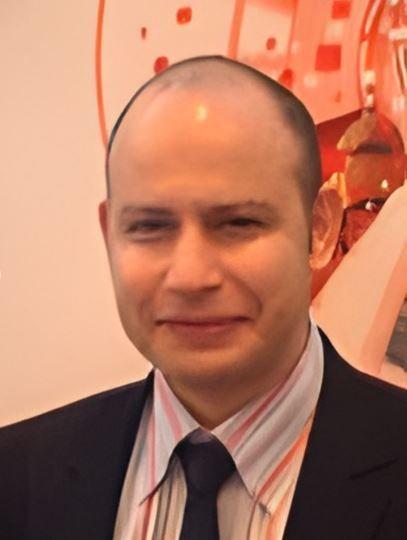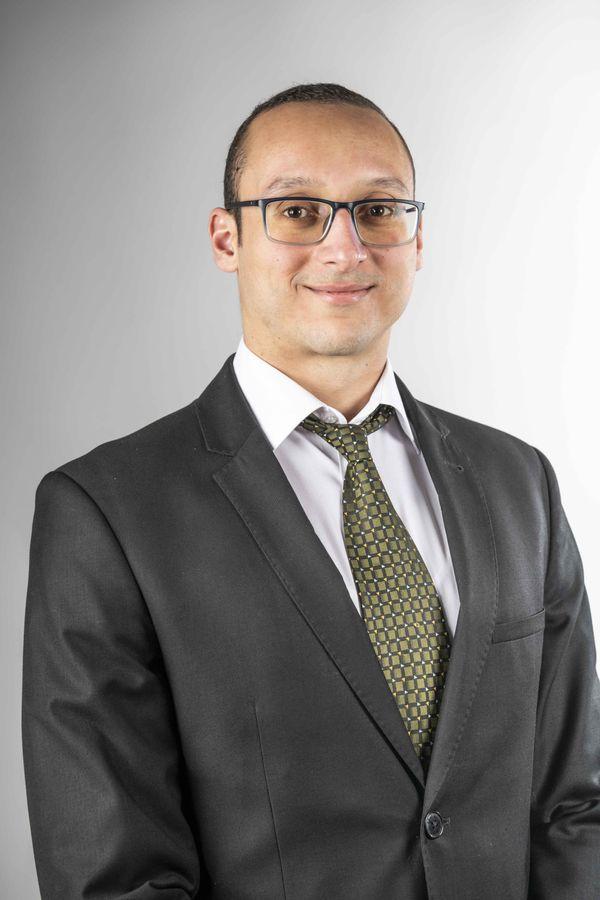
Eslam Hussein
Speaker at AMLD Africa 2022
Eslam Hussein arrived in South Africa from his native Egypt in 2013, in February 2014 he enrolled to study Computer Science at the University of the Western Cape. He has since completed his BSc, Hons and finally graduated Magna Cum Laude with an MSc in Computer Science in April 2022.
Today, Eslam works as a Data Scientist at the Inter-University Institute for Data Intensive Astronomy at UWC, where he develops and uses data science projects to teach aspiring data scientists across the continent at hackathons and other events.
At AMLD Africa
UM6P, Ben Guerir, Morocco
Feature Reduction on FT-NIR Spectroscopy to detect Bruised Apples
Spectroscopy data are useful for modelling biological systems. However, using a wide spectrum of wavelengths is not practical in a production setting. Variable selection methods are one efficient way to obtain an optimal model and were the aim of this work. Near-infrared spectral data in the range of 800 – 2500 nm were used to classify bruise damage. Six machine learning classification algorithms were employed, and two variable selection methods were used to determine the most relevant wavelengths for the problem of distinguishing between bruised and non-bruised apples. The selected wavelengths clustered around 900 nm, 1200nm and 1900 nm. The best results were achieved using linear regression and a support vector machine based on up to 40 wavelengths.