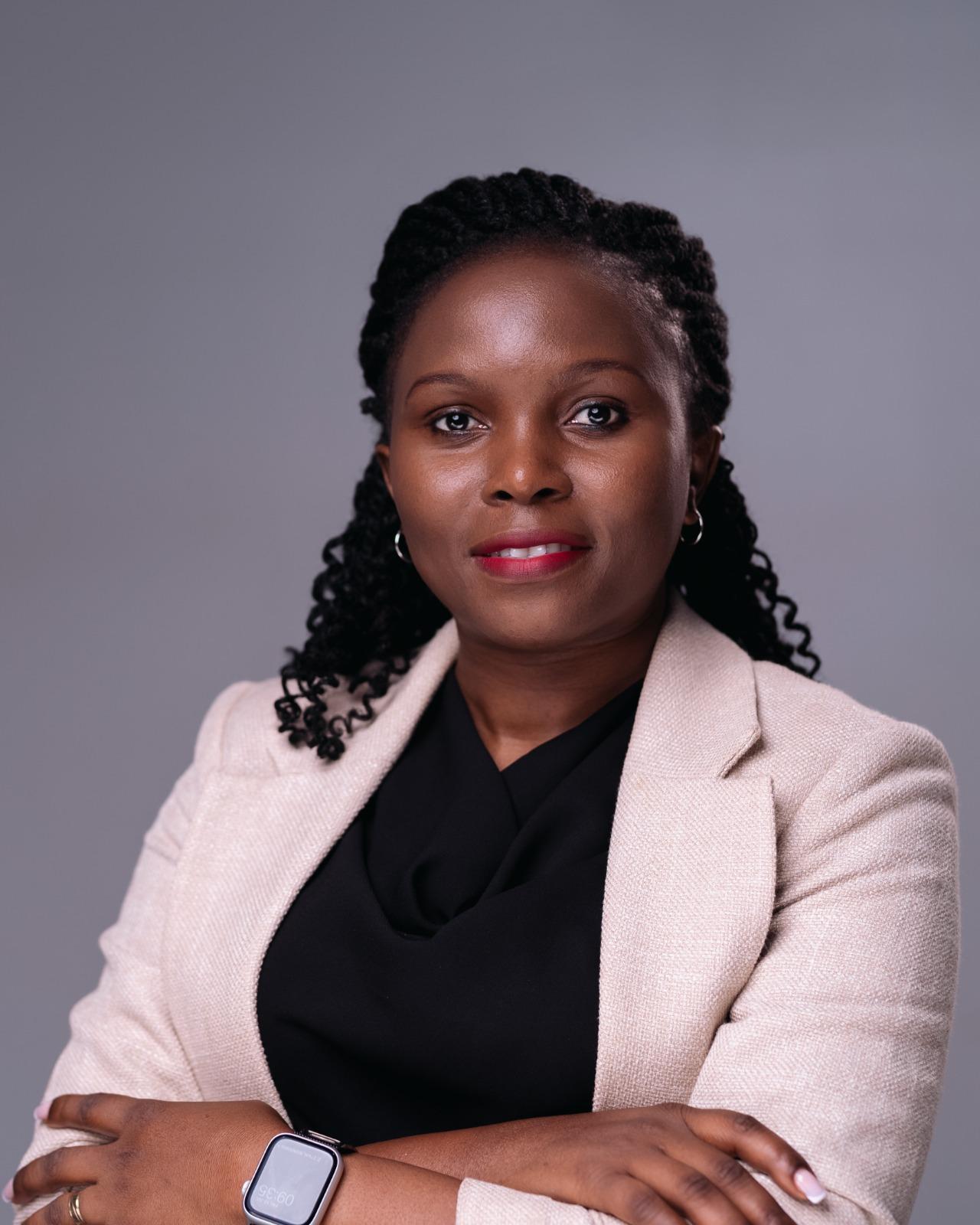
Rose Nakasi
Speaker at AMLD Africa 2026
Dr. Rose Nakasi is an Artificial Intelligence Research Scientist and Lecturer at College of Computing and Information Sciences at Makerere University, where she also leads groundbreaking work at the intersection of AI and global health. As the Head of the Makerere Artificial Intelligence Health Lab she drives innovative projects on leveraging artificial intelligence to enhance healthcare particularly, in resource-constrained environments.
Dr. Nakasi holds a PhD in Computer Science from Makerere University. Furthermore, She drives the Topic Group on AI-based Malaria Detection under the WHO/WIPO/ ITU Global Initiative AI for Health (GIAI4H) and also contributes to shaping ethical and policy frameworks for data driven health solutions as a member of the CODATA International Data Policy Committee.
Additionally, Rose is an active member of the Data Science Africa. Dr. Nakasi’s work exemplifies a relentless commitment to harnessing technology for advancement of inclussive and life-saving healthcare solutions.
At AMLD Africa
WITS University, Johannesburg, South Africa
Artificial Intelligence for Diagnostics in Africa - the reality and the hype.
Artificial intelligence (AI) is reshaping and opening new frontiers in global health, detecting diseases and responding to public health needs, our collective challenge is to ensure these innovations power better public health intelligence, address unmet needs and improve public health. This is only possible when AI is built on sound, locally relevant and inclusive data. In a resource-constrained setting, it requires understanding what kinds of evidence, opportunities and limitations exist. This presentation therefore provides an overview and status of AI in health in Africa and specifically hinging on how AI has been utilized to support disease diagnostics in an LMIC settings. It further provides evidence from Makerere AI Health Lab’s Ocular project (Automated mobile microscopy for disease diagnosis). It also highlights some of the challenges, as well key considerations on utilizing AI for health and diagnostics in an African setting.